


Why Look Back to Rome?
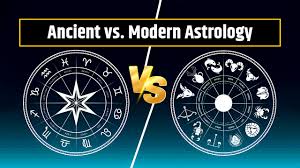
When we read daily horoscopes or explore our birth charts, we rarely think about where it all started. Yet, much of modern astrology—our zodiac signs, planetary rulerships, and celestial insights—has roots buried deep in the Roman Empire. The Roman roots of modern astrology are more than just historical trivia—they’re a vital part of understanding how ancient civilizations shaped today’s spiritual tools.
🪐 Astrology Before the Romans: A Quick Overview
Before the Romans adopted astrology, it had already flourished in Babylon, Egypt, and Greece. Babylonians tracked planetary movements and developed a zodiac system; Egyptians aligned celestial bodies with divine myths. Greek scholars like Ptolemy codified much of what we now consider astrology through texts like the Tetrabiblos.
The Romans, however, were not just passive adopters. They became the cultural bridge between mystical Eastern practices and the Western worldview. And in doing so, they infused astrology with structure, symbolism, and popularity that still echoes in our digital horoscopes today.
🏛️ Roman Adoption of Hellenistic Astrology
When the Romans encountered Greek astrology during their conquests, they were fascinated. Influenced by Greek science and philosophy, Roman intellectuals began integrating astrological teachings into their culture.
Key Roman Contributions:
Naming Planets After Gods: Mars, Jupiter, Venus, and Saturn—all bear Roman names. This association tied planetary movements to divine will, a concept still central in modern readings.
Public Horoscopes: Astrology became a tool not only for individuals but also for empires. Emperors consulted astrologers for guidance on wars, alliances, and even succession.
Astrology as Power: Roman elites used horoscopes to justify rule, reinforce social hierarchies, and cultivate mystique.
🌠 The Zodiac: Roman Style
While the twelve-sign zodiac originated with the Babylonians and was refined by the Greeks, the Roman roots of modern astrology made it mainstream in the Western world.
Libra (Latin for “scales”) was likely introduced by the Romans themselves.
Roman naming and symbolism helped preserve the zodiac during centuries of upheaval, influencing medieval and Renaissance interpretations.
🔮 Astrology in Roman Daily Life
Far from being an esoteric practice, astrology in Rome was embedded in daily life.
Birth Horoscopes: Wealthy Romans had natal charts drawn for their children.
Electional Astrology: Important decisions—marriage, travel, politics—were often timed by the stars.
Astrological Amulets: Citizens wore zodiac-based charms to ward off evil or attract love.
The widespread cultural integration set a precedent for how astrology would later permeate Western societies.
📜 Roman Astrologers Who Shaped History
Several notable Roman-era astrologers contributed to the codification and spread of astrological knowledge:
Marcus Manilius: Author of Astronomica, a poetic treatise that outlined celestial mechanics and astrological beliefs.
Firmicus Maternus: A 4th-century astrologer whose Matheseos Libri VIII remains one of the most comprehensive ancient astrological texts.
Claudius Ptolemy: Though Greek, his works were preserved and disseminated by Romans, influencing Western astrology for over a millennium.
⚖️ Astrology vs. Religion in Ancient Rome
Astrology’s popularity wasn’t without its critics. Some Roman senators and religious figures considered it a threat to traditional Roman religion. At times, emperors like Augustus sought to suppress astrology—especially when it challenged imperial authority.
Yet even during crackdowns, astrology persisted underground and in foreign provinces, only to re-emerge stronger with each generation. This resilience would prove essential for its survival through Christianization and the Dark Ages.
💫 From Rome to Renaissance: The Legacy Lives On
After the fall of Rome, much of its astrological knowledge passed to the Islamic world, where scholars preserved and advanced these teachings. When this wisdom returned to Europe during the Renaissance, it came full circle—rooted in the Roman adaptations that had first made it accessible and systematic.
🌐 Why the Roman Roots of Modern Astrology Still Matter
Modern astrology apps, zodiac memes, and natal chart readings owe their structure and symbolism largely to Rome. From the names of the planets to the idea of personal destiny tied to celestial events, Roman astrology built the bridge that connects antiquity to the digital age.
Understanding the Roman roots of modern astrology isn’t just academic—it’s a way of honoring the timeless quest to find meaning in the stars.
From emperors and poets to modern-day mystics and stargazers, astrology has journeyed across centuries and civilizations. The Roman roots of modern astrology laid down the language and lore that still define our cosmic identities. If you’ve ever asked, What’s your sign?—you have Rome to thank.
Italian Zodiac: Passion, Love, and Astrology in Italy’s Romantic Culture
Horoscopes and Love Dutch Millennials and Astrology
Why Swiss Professionals Are Turning to Astrology for Guidance