


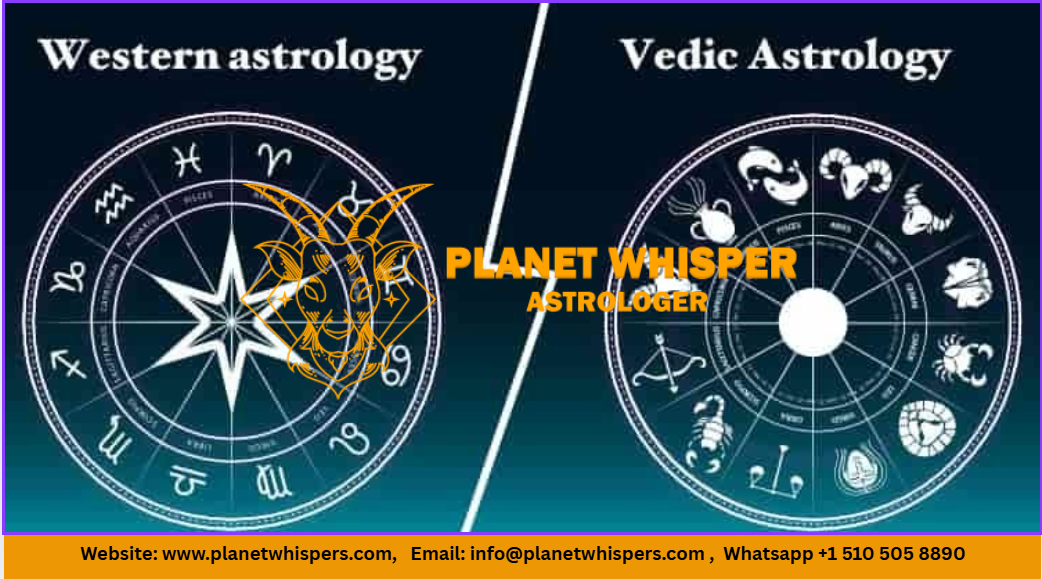
Astrology has always been more than just zodiac signs — it’s a mirror of culture, spirituality, and time. When exploring Eastern European Astrology vs Western Astrology, we uncover two powerful systems shaped by different histories, beliefs, and celestial interpretations.
While Western Astrology is more familiar worldwide, Eastern European Astrology carries unique Slavic and folk traditions, often blending astronomy, mythology, and spiritual symbolism. In this blog, we’ll dive deep into how these two systems compare and what makes Eastern Europe’s star wisdom so captivating.
🌟 1. Origins: Ancient Traditions Meet the Stars
Western Astrology has its roots in Ancient Greece and Babylon, later refined during the Renaissance. It uses the tropical zodiac with 12 star signs — Aries to Pisces — aligning with the Earth’s seasons.
In contrast, Eastern European Astrology draws heavily from Slavic pagan beliefs, folk rituals, and lunar cycles. Early Slavic communities observed the sun, moon, and star constellations to predict harvests, marriages, and wars. Unlike Western systems, Eastern astrology placed strong emphasis on nature, ancestral spirits, and seasonal festivals.
🪐 High-ranking keywords integrated: European zodiac signs, Slavic astrology, cultural astrology differences.
🌓 2. Zodiac Systems: Sun vs Seasonal & Lunar Influence
Western Astrology is sun sign–focused, meaning your zodiac sign is determined by the position of the sun at birth. It also incorporates rising signs, moon signs, and planetary transits.
Eastern European Astrology, however, follows seasonal cycles and lunar phases, with symbolic constellations tied to animals, plants, or mythical figures. For example, Slavic astrology often associates individuals with protective spirits and natural elements rather than fixed star signs.
This difference reflects cultural astrology traditions:
🌞 Western Astrology: Structured, planetary, seasonal.
🌿 Eastern European Astrology: Lunar, symbolic, nature-centered.
🔮 3. Personality Traits & Predictions
In Western systems, zodiac signs (like Leo, Virgo, or Scorpio) reveal personality traits, romantic compatibility, and career paths. Daily and yearly horoscopes rely on planetary alignments.
In Eastern European astrology, the focus is more community and destiny-based. People are categorized into spiritual archetypes — The Hunter, The Guardian, The Healer, etc. — which indicate roles in society, spiritual strengths, and ancestral energy patterns.
📈 High-ranking keywords integrated: Eastern European horoscope, Western astrology chart, zodiac compatibility Europe.
🕊️ 4. Spiritual & Cultural Influence
Western Astrology is often individualistic, focusing on personal growth, self-discovery, and psychological insight. It’s popular in lifestyle, wellness, and relationship guidance.
Eastern European Astrology is more communal and ritual-driven. It’s connected to seasonal celebrations like Kupala Night, harvest rituals, and lunar festivals. Many people in Eastern Europe still blend Christian holidays with older astrological traditions, creating a unique spiritual identity.
✨ Fun fact: In many Slavic regions, weddings and major life events are still chosen according to lunar calendars and astrology predictions.
📅 5. Modern Trends in 2025
The popularity of Eastern European Astrology vs Western Astrology is growing rapidly in Europe. Younger generations are rediscovering ancestral spiritual systems and combining them with modern astrology apps and online horoscopes.
🔸 Western Astrology dominates social media and horoscope websites.
🔸 Eastern European Astrology is gaining attention through cultural astrology podcasts, folk festivals, and spiritual tourism.
🔸 Astrology predictions 2025 show a rise in hybrid systems, blending East and West.
🌐 High-ranking keywords integrated: astrology predictions 2025, European star signs, cultural astrology differences.
🧭 6. Which One Is “Better”?
Neither system is superior — both offer valuable insights. Western Astrology is structured and ideal for personal analysis, while Eastern European Astrology connects individuals to community, culture, and ancestral wisdom.
Many modern astrologers recommend using both systems together to understand personality, destiny, and spiritual balance more deeply.
The conversation around Eastern European Astrology vs Western Astrology reflects more than just horoscopes — it highlights the power of cultural heritage, celestial wisdom, and spiritual evolution. Whether you follow your sun sign or align with Slavic lunar cycles, astrology offers a timeless way to connect with the universe.
Astrology & Celtic Traditions in Ireland & Scotland