


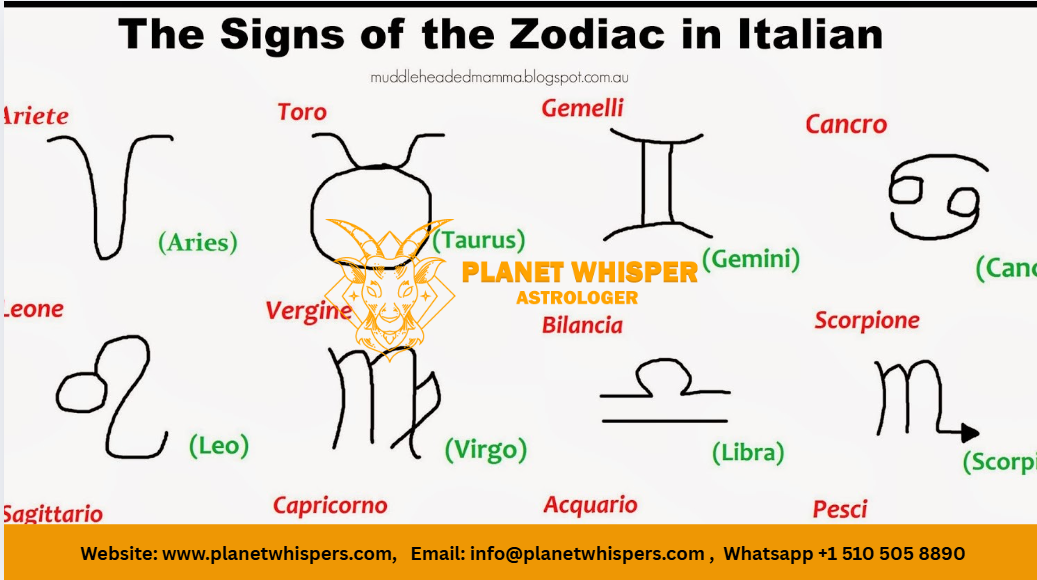
When most people think of Italy, they imagine breathtaking art, delicious cuisine, historic architecture, and passionate culture. But few know that Italian astrology traditions have deep, fascinating roots that stretch back thousands of years. From Roman interpretations of the stars to modern horoscope practices, Italy has developed its own unique way of blending astrology with everyday life.
In this article, we’ll explore Italian astrology traditions, ancient beliefs, symbolic rituals, regional customs, and how astrology still plays a meaningful role in modern Italian culture.
1. Ancient Italian Astrology: A Roman Legacy
Italy’s astrology traditions are closely tied to its Roman heritage. Long before horoscopes were popular in newspapers, the Romans studied the stars to guide political, military, and personal decisions.
1.1 Roman Zodiac Interpretations
While the Romans adopted much of their astrological knowledge from the Greeks, they gave each zodiac sign new cultural meanings. For example:
Aries symbolized warriors and leadership.
Libra was connected to law and balance — fitting for a civilization that gave us the legal system.
Capricorn was considered a sign of power and ambition, often associated with emperors.
1.2 Astrology in Politics and Religion
Roman leaders often consulted astrologers before making major decisions. Many emperors, including Augustus, were known to rely on astrology for guidance. Birth charts were drawn for rulers, wars, and coronations. This tradition of using astrology for major life events influenced Italian families for centuries.
2. Astrology and Italian Folk Traditions
Beyond the grandeur of ancient Rome, astrology seeped into folk traditions across the Italian peninsula.
2.1 Birth Dates and Family Beliefs
In rural Italy, especially in southern regions like Sicily and Puglia, families often interpreted a child’s birth date as a sign of their destiny. Elders would match zodiac signs with expected character traits — a Leo was believed to be charismatic and destined to lead, while a Cancer was thought to be family-oriented and nurturing.
2.2 Seasonal Festivals and Astrology
Italian folk festivals often aligned with astrological events like solstices and equinoxes. For example:
June solstice celebrations in Tuscany connected to fertility and abundance.
Harvest festivals in autumn often coincided with Virgo and Libra seasons, symbolizing balance and prosperity.
2.3 Love & Compatibility Rituals
Italian women in earlier centuries sometimes used the moon’s phases to predict marriage compatibility. Certain zodiac pairings were thought to bring luck in love, especially Taurus–Virgo and Leo–Sagittarius combinations.
3. Regional Differences in Italian Astrology Traditions
Italy’s regions each developed their own spin on astrology over time.
3.1 Northern Italy
In northern regions like Lombardy and Veneto, astrology was often practiced in combination with astronomy and agriculture. Farmers used moon signs to plan planting and harvesting cycles.
3.2 Central Italy
In Tuscany and Umbria, astrology was closely tied to Renaissance humanism. During this time, philosophers and artists saw the stars as a source of inspiration and intellectual pursuit. Astrological symbols were embedded in paintings, sculptures, and even architectural designs.
3.3 Southern Italy
In the south, astrology had a more spiritual and mystical tone. Folk healers, known as “magare,” often used birth charts and planetary alignments to offer personal guidance. Lunar calendars were also used for weddings, health remedies, and spiritual rituals.
4. The Renaissance: Astrology Meets Art and Science
During the Renaissance, Italy became the cultural capital of Europe. Astrologers and scholars worked alongside artists and mathematicians.
4.1 Astrology and the Arts
Renaissance artists like Sandro Botticelli and Leonardo da Vinci incorporated celestial symbolism in their work. Zodiac signs often appeared in frescoes, manuscripts, and architectural details. Astrology was seen as a language of the cosmos — an essential part of understanding humanity’s place in the universe.
4.2 Astrology and the Church
Although astrology sometimes clashed with Catholic teachings, it also found acceptance in certain intellectual circles. Many Italian popes and cardinals privately consulted astrologers for advice on timing and events, blending faith and cosmic belief.
5. Modern Italian Astrology Traditions
Astrology is still a living tradition in Italy today, even if its form has changed.
5.1 Daily Horoscopes and Media
Modern Italians love horoscopes. Newspapers, magazines, and online platforms publish daily forecasts. Zodiac discussions are common over morning coffee or lunch with friends.
5.2 Zodiac & Lifestyle
Italians often blend zodiac beliefs with lifestyle choices — such as choosing wedding dates, business launches, or travel plans based on favorable star alignments.
5.3 Popular Astrologers and TV
Television astrology is a beloved part of Italian media. Popular astrologers like Paolo Fox have become national celebrities. His yearly horoscope predictions are widely followed, especially around New Year’s Eve.
6. Unique Italian Astrology Practices
6.1 Lucky and Unlucky Signs
In Italy, some signs are considered especially lucky or unlucky depending on local folklore. Leo and Sagittarius are often linked to success and passion, while Pisces is sometimes associated with sensitivity and intuition.
6.2 Moon Sign Guidance
Many Italians believe that lunar cycles influence mood, romance, and health. It’s common to hear people schedule haircuts, weddings, or travel around a “good moon.”
6.3 Astrology and Superstitions
Astrology in Italy often overlaps with superstition. For example, wearing protective charms during Mercury retrograde is a common practice, especially among older generations.
7. Italian Astrology in 2025 and Beyond
Astrology in Italy is not fading — it’s evolving. With the rise of astrology apps, social media, and digital communities, younger Italians are rediscovering their cultural roots in the stars.
Digital astrology platforms are growing rapidly.
Millennials and Gen Z are embracing personalized birth charts.
Italian astrology influencers are gaining traction on Instagram and TikTok.
Astrology is once again becoming a bridge between ancient wisdom and modern life.
8. How to Experience Italian Astrology Traditions Yourself
If you’re intrigued by these rich traditions, here are a few ways to connect with Italian astrology:
Visit historical sites like the Roman Forum and Renaissance palaces with astrological symbolism.
Book a reading from an Italian astrologer (many now offer online sessions).
Celebrate solstices and equinoxes the Italian way — with food, community, and stargazing.
Learn about your moon sign and its connection to Italian folk rituals.
Conclusion
Italy’s astrology traditions are a fascinating blend of ancient Roman wisdom, folk beliefs, Renaissance philosophy, and modern pop culture. Whether through the zodiac, moon cycles, or lucky signs, Italians have always looked to the stars to understand themselves and their world.
By exploring Italian astrology traditions, we uncover a cultural story that connects history, art, spirituality, and everyday life. And in 2025 and beyond, these traditions will continue to inspire new generations — both in Italy and worldwide.
Astrology in Germany: Rise, Trends & Predictions for 2025